ISO 42001
ISO 42001 A.10.4 — Customers
Explore ISO 42001 Annex A Control A.10.4. Learn how to inform customers about AI use and define responsibility for AI-driven outputs.
16 April 2026Blog
Auditing the ISO 42001 AI management system: the AI system inventory, impact assessments and Annex A controls for responsible AI.
77 articles
Explore ISO 42001 Annex A Control A.10.4. Learn how to inform customers about AI use and define responsibility for AI-driven outputs.
16 April 2026Explore ISO 42001 Annex A Control A.10.3. Learn how to identify, assess and monitor vendors supplying your datasets, models and AI infrastructure.
9 April 2026Explore ISO 42001 Annex A Control A.10.2. Learn how to assign named owners to every AI activity and prove that accountability to an auditor.
2 April 2026Explore ISO 42001 Annex A Control A.10.1 – Third-Party and Customer Relationships. Learn how to establish structured processes to ensure AI systems are used ethically, securely, and in alignment with governance and risk management requirements.
26 March 2026
Explore ISO 42001 Annex A Control A.9.4 – Intended Use of the AI System. Learn how to establish structured processes to ensure AI systems are used ethically, securely, and in alignment with governance and risk management requirements.
17 March 2026
Explore ISO 42001 Annex A Control A.9.2 – Processes for Responsible Use of AI Systems. Learn how to establish structured processes to ensure AI systems are used ethically, securely, and in alignment with governance and risk management requirements.
3 March 2026
Explore ISO 42001 Annex A Control A.9.3 – Objectives for Responsible Use of AI Systems. Learn how to establish structured processes to ensure AI systems are used ethically, securely, and in alignment with governance and risk management requirements.
3 March 2026
Explore ISO 42001 Annex A Control A.9 / B.9. Learn how to use AI systems responsibly, covering transparency, accountability, and stakeholder communication.
24 February 2026
Explore ISO 42001 Annex A Control A.8.5. Learn what information to provide interested parties about an AI system, and how to keep it accurate and accessible.
18 February 2026
Explore ISO 42001 Annex A Control A.8.4. Learn how to communicate incidents in AI systems, covering transparency, accountability, and stakeholder communication.
10 February 2026
Explore ISO 42001 Annex A Control A.8.3. Learn how to provide external reporting for AI systems, covering transparency, accountability, and stakeholder communication.
3 February 2026
Explore ISO 42001 Annex A Control A.8.2. Learn how to provide system documentation and user information for AI systems, covering transparency, usability, and stakeholder communication.
29 January 2026
Explore ISO 42001 Annex A Control A.8.1. Learn how to provide information to interested parties about AI systems, covering transparency, accountability, and stakeholder communication.
27 January 2026
Explore ISO 42001 Annex A Control A.7.6. Learn how to prepare data for AI systems, covering cleaning, normalization, labeling, and feature engineering to support transparent and trustworthy AI outcomes.
22 January 2026
Explore ISO 42001 Annex A Control A.7.5. Learn how to ensure data provenance for AI systems, covering origin, history, and transformation of data to support transparent and trustworthy AI outcomes.
20 January 2026
Explore ISO 42001 Annex A Control A.7.4. Learn how to ensure data quality for AI systems, covering accuracy, completeness, consistency, and relevance to support reliable and trustworthy AI outcomes.
13 January 2026
Explore ISO 42001 Annex A Control A.7.3. Learn how to govern the acquisition of data for AI systems to ensure lawful, ethical, and responsible sourcing from internal and external origins.
6 January 2026
Explore ISO 42001 Annex A Control A.7.2. Learn how to govern data used for developing and enhancing AI systems to ensure suitability, quality, and compliance throughout the lifecycle.
30 December 2025
Explore ISO 42001 Annex A Control A.7.1. Learn how to manage data for AI systems to ensure accuracy, fairness, and compliance with regulatory requirements.
23 December 2025
Explore ISO 42001 Annex A Control A.6.2.8. Learn how to record event logs for AI systems to ensure transparency, accountability, and compliance with regulatory requirements.
16 December 2025
A detailed guide to ISO 42001 Annex A Control A.6.2.6. Learn why continuous operation and monitoring are critical for maintaining AI system performance, safety, and compliance post-deployment.
2 December 2025
Explore ISO 42001 Annex A Control A.6.2.5. Learn how to securely and responsibly deploy AI systems, ensuring a smooth transition from development to operation while maintaining safety and compliance.
25 November 2025
Explore ISO 42001 Annex A Control A.6.2.4. Learn how to verify and validate AI systems to ensure they are safe, reliable, and compliant before deployment, strengthening trust and accountability.
19 November 2025
Explore ISO 42001 Annex A Control A.6.2.7. Learn how to maintain comprehensive technical documentation for AI systems to ensure transparency, accountability, and compliance throughout their lifecycle.
19 November 2025
Explore ISO 42001 Annex A Control A.6.2.3. Learn how to maintain comprehensive documentation throughout the design and development stages of AI systems — ensuring traceability, transparency, and accountability across the entire lifecycle.
11 November 2025
Explore ISO 42001 Annex A Control A.6.2.2. Learn how to define clear, measurable, and compliant requirements for AI systems to ensure they function as intended and align with ethical, technical, and regulatory expectations.
4 November 2025
Explore ISO 42001 Annex A Control A.6.2. Learn how to establish and manage a structured AI system lifecycle—from planning and development to deployment and decommissioning—to ensure responsible and compliant AI.
28 October 2025
Explore ISO 42001 Annex A Control A.6.1.3. Learn how to establish structured processes for responsible AI system design and development to ensure ethical, compliant, and reliable outcomes.
13 October 2025
Explore ISO 42001 Annex A Control A.6.1.2. Learn how to define and implement clear objectives for responsible AI development to promote fairness, transparency, and accountability.
9 October 2025
Explore ISO 42001 Annex A Control A.6.1. Learn how to establish management guidance for AI system development to ensure it aligns with organizational goals, compliance, and ethical standards.
7 October 2025
Explore ISO 42001 Annex A Control A.5.5. Learn how to assess the broader societal impacts of AI systems to ensure innovation aligns with public trust, ethical values, and long-term sustainability.
3 October 2025
Explore ISO 42001 Annex A Control A.5.4. Learn how to assess the impacts of AI systems on individuals and groups to ensure human-centric, ethical, and responsible AI deployment.
1 October 2025
Explore ISO 42001 Annex A Control A.5.3: Documentation of AI System Impact Assessments. Learn why maintaining clear, structured records of AI impact assessments is crucial for accountability, transparency, and compliance.
24 September 2025
Discover ISO 42001 Annex A Control A.5.2: AI System Impact Assessment Process. Learn how to build a structured, repeatable process for evaluating AI impacts to ensure consistency and accountability.
18 September 2025
Explore ISO 42001 Annex A Control A.5.1: Assessing Impacts of AI Systems. Learn why evaluating the ethical, societal, and compliance impacts of AI is crucial for responsible deployment.
16 September 2025
Delve into ISO 42001 Annex A Control A.4.6: Human Resources. Learn why managing qualified, trained, and accountable personnel is crucial for the entire lifecycle of AI systems.
12 September 2025
Explore ISO 42001 Annex A Control A.4.5: System and Computing Resources. Understand why provisioning robust computing infrastructure is essential for the performance, security, and reliability of AI systems.
10 September 2025
Explore ISO 42001 Annex A Control A.4.4: Tooling Resources. Understand why providing and maintaining the right tools is crucial for the secure, reliable, and ethical operation of AI systems.
8 September 2025
Delve into ISO 42001 Annex A Control A.4.3: Data Resources. Discover why managing data as a core resource is essential for building accurate, ethical, and compliant AI systems.
4 September 2025
Explore ISO 42001 Annex A Control A.4.2: Resource Documentation. Learn why maintaining clear records of your AI system's resources is vital for auditability, accountability, and transparency.
2 September 2025
Dive into ISO 42001 Annex A Control A.4.1: Resources for AI Systems. Understand why allocating sufficient personnel, financial, and technical resources is crucial for building reliable, secure, and compliant AI.
28 August 2025
Explore ISO 42001's Annex A Control A.3.3 on Reporting of Concerns. Learn how to establish mechanisms for stakeholders to report AI-related issues responsibly, fostering trust and compliance.
27 August 2025
Dive into ISO 42001's Annex A Control A.3.2. Learn how to define and assign clear AI roles and responsibilities to ensure accountability and effective AI governance.
26 August 2025
Explore ISO 42001's Annex A.3.1 control on Internal Organization. Learn how to establish clear AI governance structures, roles, and responsibilities for effective AI management.
25 August 2025
Explore ISO 42001's Annex A.2.4, which mandates the regular review of AI policies to ensure they remain relevant in the face of evolving technology, risks, and regulations.
23 August 2025
Learn about ISO 42001 Annex A.2.3 and why aligning your AI policies with existing organizational policies is crucial for consistent and effective AI governance.
22 August 2025
A detailed look at Annex A.2.2 of ISO 42001, focusing on how to establish, implement, and maintain specific AI policies for effective AI governance.
21 August 2025
A deep dive into Annex A.2 of ISO 42001, which requires organizations to establish policies for the responsible development, use, and monitoring of AI systems.
20 August 2025
A deep dive into Clause 10 of ISO 42001, which focuses on continuous improvement, nonconformity, and corrective action within an AI Management System (AIMS).
19 August 2025
A deep dive into Clause 9.3 of ISO 42001, which requires top management to review the AI Management System (AIMS) to ensure its ongoing suitability, adequacy, and effectiveness.
18 August 2025
A deep dive into Clause 9.2 of ISO 42001, which mandates how organizations must conduct internal audits to ensure their AI Management System (AIMS) is effective and compliant.
15 August 2025
A deep dive into Clause 9.1 of ISO 42001, which details how organizations must monitor, measure, analyze, and evaluate their AI systems and AI Management System (AIMS) to ensure ongoing effectiveness and compliance.
14 August 2025
A deep dive into Clause 8.4 of ISO 42001, which requires organizations to conduct AI System Impact Assessments to evaluate the broader effects on individuals and society.
13 August 2025
A deep dive into Clause 8.3 of ISO 42001, which details how organizations must select and implement controls to treat risks identified in their AI risk assessment.
11 August 2025
A deep dive into Clause 8.2 of ISO 42001, which mandates how organizations must identify, assess, and manage risks unique to AI systems.
6 August 2025
Explore Clause 8.1 of ISO 42001, which details how to translate AI governance plans into concrete operational processes and controls for your AI Management System (AIMS).
31 July 2025A deep dive into Clause 7.5 of ISO 42001, explaining the critical role of documented information in building a trustworthy and compliant AI Management System (AIMS).
29 July 2025
Clause 7.4 emphasizes the need for effective internal and external communication related to the AI Management System (AIMS). Organizations must determine what needs to be communicated, when, with whom, through which channels, and by whom. Clear communication ensures alignment, transparency, and stakeholder trust—crucial for governing AI responsibly.
21 July 2025
Clause 7.3 requires organizations to ensure that all relevant personnel are aware of the AI Management System (AIMS), its policies, their roles, and the potential impacts of nonconformity. Building awareness fosters a culture of responsibility and helps embed ethical and compliant AI practices across the organization.
15 July 2025
Clause 7.2 emphasizes that individuals involved in the AI Management System (AIMS) must possess the necessary competence—knowledge, skills, and experience—to carry out their roles effectively. Organizations must identify required competencies, provide training where needed, and ensure ongoing capability to manage AI responsibly.
10 July 2025
Clause 7.1 highlights the importance of providing adequate resources—people, skills, technology, infrastructure, and funding—to effectively implement and maintain the AI Management System (AIMS). Ensuring the right support is in place enables organizations to manage AI responsibly and sustainably.
2 July 2025
Clause 6.3 ensures that any changes affecting the AI Management System (AIMS)—such as updates to AI models, policies, or infrastructure—are planned and managed systematically. This helps maintain integrity, minimize disruption, and ensure continued alignment with responsible AI principles and compliance requirements.
30 June 2025
Clause 6.2 focuses on setting measurable AI-related objectives that align with the organization’s overall goals and responsible AI commitments. It also emphasizes the need for structured planning—defining what will be done, resources required, responsible parties, and timelines—to ensure these objectives are achieved effectively.
27 June 2025
Clause 6.1 requires organizations to take a proactive approach to managing risks and seizing opportunities within their AI systems. This means identifying potential issues—such as bias, security vulnerabilities, or misalignment with ethical standards—and implementing measures to mitigate them. Addressing these early strengthens trust and enhances system reliability.
20 June 2025
Clause 5.3 emphasizes the need to clearly define and assign roles, responsibilities, and authorities within the AI Management System. This ensures accountability and effective implementation of policies, risk controls, and compliance actions. Everyone involved in the AI lifecycle should understand their duties to uphold responsible AI practices.
9 June 2025
Clause 5.2 requires organizations to establish an AI policy that reflects their commitment to responsible, ethical, and lawful AI use. This policy should guide AI development and deployment practices, align with stakeholder expectations, and support the organization’s broader compliance and risk management goals. It must be communicated, maintained, and understood across all relevant levels.
4 June 2025
Clause 5.1 emphasizes the vital role of top management in driving an effective AI Management System (AIMS). Leadership must actively demonstrate commitment by aligning AIMS with strategic goals, ensuring integration into business processes, and promoting a culture of responsible AI. This clause sets the tone for governance, accountability, and continuous improvement.
28 May 2025
Clause 4.4 outlines the requirement to establish, implement, maintain, and continually improve an AI Management System (AIMS). This involves integrating responsible AI principles into organizational processes, assigning clear responsibilities, and ensuring that the AIMS is tailored to the organization’s context, objectives, and risks.
25 May 2025
Clause 4.3 requires organizations to clearly define the boundaries and applicability of their AI Management System (AIMS). This includes identifying the AI systems, processes, and functions covered—ensuring alignment with business objectives, stakeholder needs, and compliance obligations. A well-scoped AIMS lays the foundation for effective risk management and governance.
20 May 2025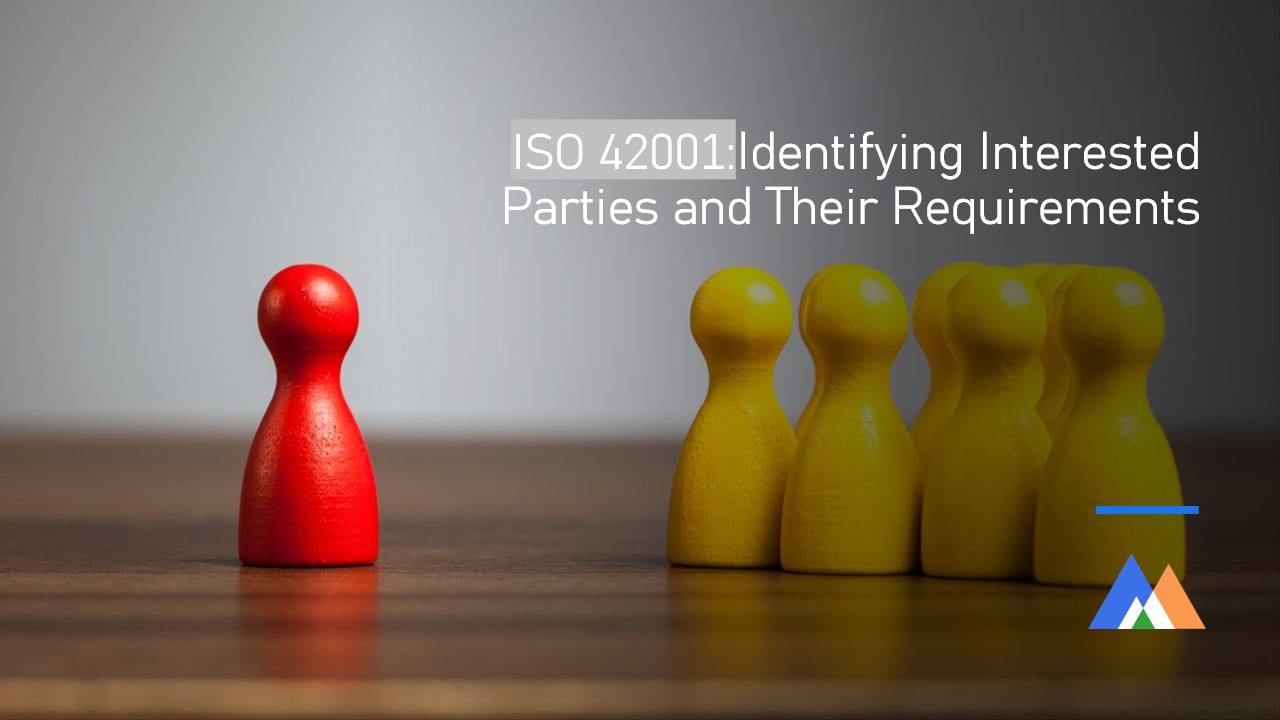
Clause 4.2 highlights the need to determine who the relevant interested parties are—such as regulators, customers, impacted communities, and internal stakeholders—and understand their expectations regarding responsible AI use. This step ensures that the AI management system aligns with ethical, legal, and societal concerns, strengthening trust and accountability.
9 May 2025
Clause 4.1 of ISO 42001 emphasizes the importance of understanding both internal and external factors that can affect an organization’s ability to achieve the intended outcomes of its AI management system. This includes technological trends, legal and regulatory environments, societal expectations, and the organization's own mission and values—ensuring that AI is deployed in a contextually aware and responsible manner.
6 May 2025
ISO 42001 sets the foundation for managing AI responsibly, offering organizations a structured framework to ensure transparency, fairness, and accountability in AI systems. This new standard is a vital step toward building public trust while enabling innovation in AI deployment.
29 April 2025
Understanding ISO 42001 can be complex, but Ask AIMS simplifies compliance by providing instant, accurate answers to your AI governance questions. Whether you're tackling risk management, transparency, or accountability, Ask AIMS ensures clarity and confidence in your compliance journey.
12 March 2025
ISO 42001 establishes a structured approach for managing AI systems responsibly, ensuring transparency, accountability, and compliance with ethical guidelines. By adopting this standard, organizations can mitigate AI-related risks while fostering trust and innovation in AI-driven solutions.
9 March 2025
Simplify AI compliance with Ask AIMS, your intelligent assistant for ISO 42001. Get instant, accurate answers, streamline audits, and ensure your AI systems align with global governance standards—without the guesswork.
8 March 2025Navigating AI compliance just got easier. Ask AIMS delivers instant, AI-powered insights for ISO 42001, helping organizations streamline AI governance and audit readiness. No more delays—get precise answers and stay compliant with confidence.
7 March 2025
Compliance shouldn’t be a guessing game. Whether you're tackling ISO 27001 for information security or ISO 42001 for AI management, Ask ISMS and Ask AIMS provide instant, AI-driven answers to your toughest compliance questions. Say goodbye to hours of searching—get clear, reliable guidance in seconds and stay audit-ready with confidence.
26 February 2025